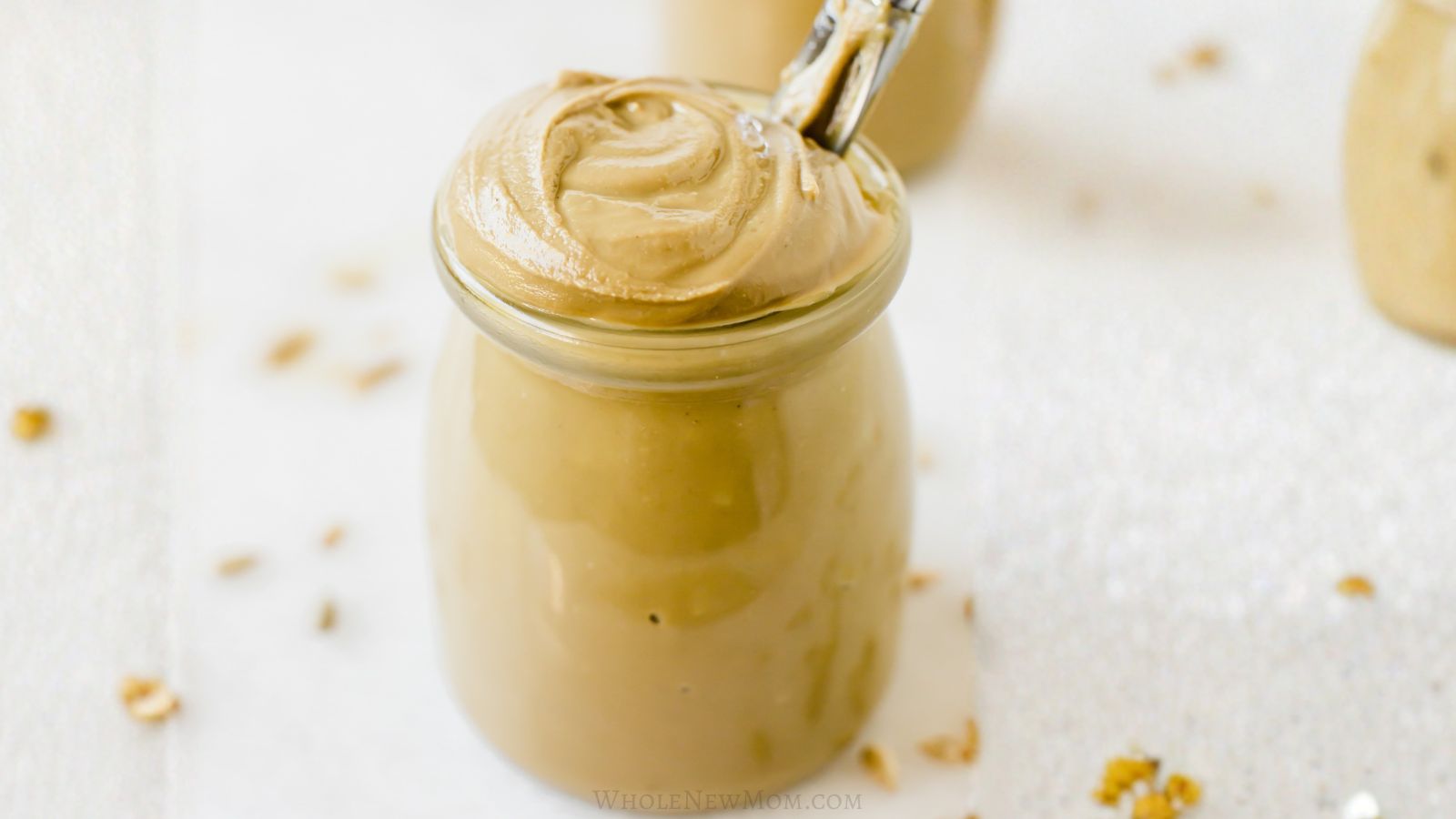
Unlock the Creamy Secret: Making Homemade Sunflower Seed Butter (Sunbutter)
Tired of store-bought spreads that break the bank and hide ingredients you'd rather avoid? Imagine a rich, creamy, and wholesome spread that’s not only incredibly delicious but also empowers you with total control over what goes into your family’s food. We’re talking about homemade sunflower seed butter – a game-changer for your pantry and your wallet.
For many, peanut butter and other nut butters are kitchen staples. But as allergies rise, sunflower seed butter (often called sunbutter) has soared in popularity, offering a similar nutty flavor and satisfying texture without the common allergens. While readily available in stores, making your own homemade sunflower seed butter is not only incredibly easy but also unlocks a world of benefits that will make you wonder why you ever bought it pre-made.
Why Homemade Sunflower Seed Butter is a Game-Changer
Once you experience the fresh taste and incredible creaminess of sunbutter you’ve made yourself, it’s hard to go back to the store-bought versions. But beyond taste, there are several compelling reasons to embrace this simple kitchen craft:
Significant Cost Savings
This is perhaps one of the most immediate and satisfying benefits. Store-bought organic sunflower seed butter can be quite expensive, often ranging from $8 to $12 or more for a single pound. In stark contrast, buying raw organic sunflower seeds in bulk can cost as little as $2 to $4 per pound. This isn't just a small saving; over time, especially if you're a regular consumer of seed butter, those savings compound dramatically, freeing up your budget for other healthy ingredients.
Unparalleled Ingredient Control
When you make your own homemade sunflower seed butter, you become the master of its composition. This control extends to every aspect:
- Seed Quality: Choose organic or conventional, roasted or raw, sprouted or unsprouted. You decide what's best for your dietary needs and preferences.
- Sweeteners: Most store-bought sunbutters contain added sugars. At home, you can add a touch of natural sweetness with maple syrup, honey, dates, stevia, or omit it entirely for a savory spread.
- Oils: While sunflower seeds contain natural fats, some blends benefit from a small amount of added oil for extra silkiness. You can select healthy, neutral-flavored oils like avocado oil, grapeseed oil, or even a hint of melted coconut oil, ensuring no unhealthy or inflammatory oils are included.
- Salt & Flavorings: Adjust the salt content precisely to your taste. Experiment with cinnamon, vanilla extract, or even a pinch of cocoa powder for unique flavor profiles.
Superior Freshness and Flavor
There's an undeniable difference in taste and aroma when something is freshly made. Homemade sunflower seed butter boasts a naturally nutty, rich, and earthy flavor that is often more vibrant and nuanced than its commercial counterparts. The process of blending freshly roasted seeds releases their aromatic oils, resulting in an incredibly indulgent and creamy texture that simply tastes better. It truly highlights the delicate and unique character of sunflower seeds.
A Versatile Nut-Free Alternative
For those managing nut allergies, sunflower seed butter is a culinary hero. It offers a fantastic, safe substitute for peanut butter and tree nut butters in virtually any application. Its naturally creamy texture makes it perfect for sandwiches, fruit dips, smoothies, and as a key ingredient in creating delicious, nut-free desserts and snacks. It's truly a spread you can fall in love with at first taste, providing peace of mind along with its deliciousness.
Crafting Your Own Creamy Homemade Sunflower Seed Butter: Tips for Success
Making homemade sunflower seed butter is surprisingly simple, typically involving just two main steps: roasting and blending. However, a few key tips can elevate your results from good to unbelievably creamy and delicious. For even more expert advice and to maximize your savings, check out our guide on Unlock Amazing Creamy Homemade Sunbutter: Pro Tips & Savings.
The Art of Roasting
Roasting the sunflower seeds is a crucial step that significantly impacts the butter's final flavor and color. Raw seeds will yield a lighter, somewhat greener butter with a milder taste, while roasting deepens the flavor profile and color, much like coffee beans:
- Light Roast: For a delicate, subtle flavor and lighter color, roast seeds at 300°F (150°C) for 8-10 minutes. Stir occasionally to ensure even toasting.
- Dark Roast: For a richer, more pronounced nutty flavor and a deeper brown color, roast at the same temperature for 12-15 minutes, or until fragrant and golden brown. Be careful not to burn them, as this will lead to a bitter taste.
Allow the roasted seeds to cool completely before blending. This prevents them from "baking" further in the food processor and helps achieve a smoother consistency.
The Blending Process: Patience is Key
A high-quality food processor is your best friend here. While powerful blenders can work, a food processor with a wide base and S-blade is generally more efficient for seed butters due to their consistency.
- Initial Grind: Add the cooled, roasted sunflower seeds to your food processor. Begin blending. Initially, the seeds will break down into a coarse flour.
- Crumbly Stage: Continue blending, and the flour will start to clump together, forming a crumbly, sandy texture. This stage can take 1-3 minutes.
- Pasty Stage: As the natural oils release, the mixture will transform into a thick, pasty ball or dough-like consistency. This can take another 2-5 minutes. You'll likely need to stop the food processor frequently to scrape down the sides of the bowl to ensure all seeds are incorporated.
- Creamy Stage: With continued blending (and more scraping!), the paste will gradually loosen and become incredibly smooth and creamy. This is where patience pays off! It can take anywhere from 5 to 15 minutes in total, depending on your food processor's power and the seeds' fat content.
Troubleshooting for Smoothness
Sunflower seeds naturally have less oil than many nuts, so achieving that super smooth, runny consistency might require a little help:
- Scrape, Scrape, Scrape: Don't underestimate the power of regularly scraping down the sides. This ensures even blending and prevents the motor from overheating.
- Add a Touch of Oil (Optional): If your homemade sunflower seed butter remains too thick after significant blending, add 1-2 teaspoons of a neutral oil (like avocado or grapeseed oil) at a time, continuing to blend until desired consistency is reached.
- Sweeteners and Salt: Add your chosen sweetener (maple syrup, honey, etc.) and salt during the final stages of blending, once the butter is already smooth. This allows them to incorporate fully without affecting the initial processing of the seeds.
Ways to Enjoy Your Homemade Sunbutter
Your freshly made homemade sunflower seed butter is incredibly versatile. Use it in all the ways you would a nut butter, but remember that its texture might be slightly thicker or less fluid than some commercial nut butters, so adjust recipes accordingly.
- Spread it on toast, rice cakes, or apple slices.
- Swirl it into oatmeal or yogurt.
- Blend it into smoothies for a creamy, protein-rich boost.
- Use it as a dip for fruits and vegetables.
- Incorporate it into baking recipes for cookies, energy bites, or bars.
- Make a delicious, allergen-friendly sunbutter and jelly sandwich.
Conclusion
Making homemade sunflower seed butter is a simple, rewarding process that offers significant financial savings, complete control over ingredients, and a superior taste experience. With just a few basic steps and a bit of patience, you can create a creamy, delicious, and incredibly versatile spread that will quickly become a favorite in your household. Say goodbye to expensive, ingredient-mystery store-bought versions and hello to the fresh, wholesome goodness of homemade sunbutter!
