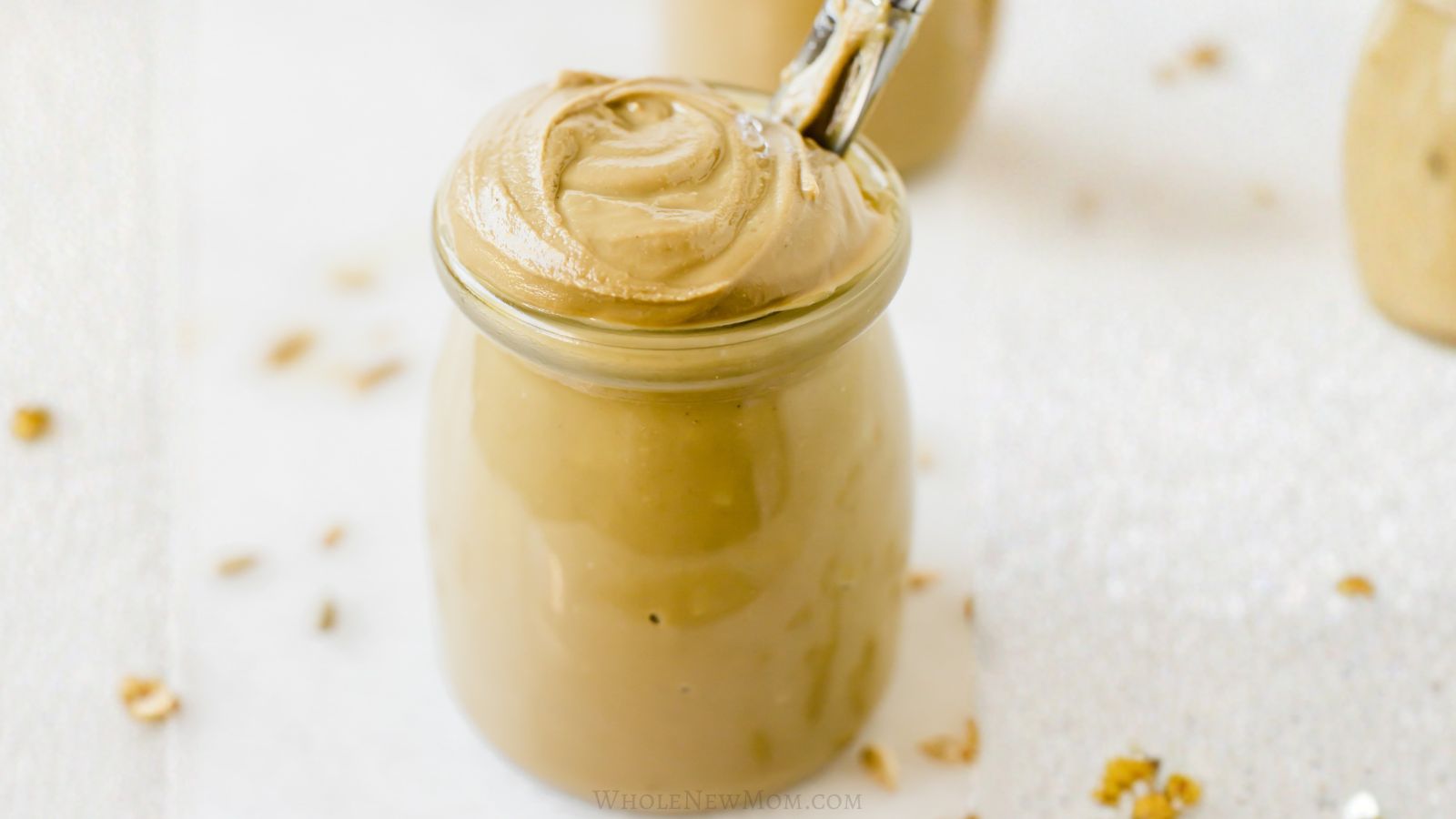
Unlock Amazing Creamy Homemade Sunbutter: Pro Tips & Savings
Imagine a spread so rich, so creamy, and so utterly delicious that it rivals your favorite nut butter, yet is entirely nut-free. We're talking about homemade sunflower seed butter, often affectionately called "sunbutter." Once you experience the unparalleled taste and texture of a batch made in your own kitchen, you’ll likely never reach for the store-bought jar again. Beyond the incredible flavor, making your own sunbutter offers a wealth of benefits, from significant cost savings to complete control over every single ingredient. In a world where food allergies are increasingly common, this versatile spread is also a fantastic, safe alternative for those avoiding peanuts and tree nuts, making it a staple in any allergy-conscious home.
Why Ditch Store-Bought for Homemade Sunbutter?
The decision to make your own sunflower seed butter isn't just about a fun kitchen project; it's a choice that impacts your palate, your wallet, and your health.
Unbeatable Flavor & Texture
There’s a common misconception that homemade versions of pantry staples are merely adequate substitutes. With homemade sunflower seed butter, this couldn't be further from the truth. Freshly made sunbutter boasts a naturally nutty aroma and a rich, earthy flavor that is both delicate and uniquely satisfying. Its texture is incredibly creamy and indulgent – a smoothness that store-bought versions often struggle to achieve without excessive additives. This superior taste and texture come from the freshness of the seeds and the ability to customize the roasting level and other ingredients, allowing the true essence of the sunflower seeds to shine through.
Significant Cost Savings
One of the most compelling reasons to embrace DIY sunbutter is the remarkable savings. Store-bought organic sunflower seed butter can fetch a hefty price, often upwards of $8-$10 per pound. In stark contrast, organic sunflower seeds can be purchased for a fraction of that cost, typically making your homemade version significantly more economical. This difference adds up quickly, especially if sunflower seed butter is a regular item on your grocery list. By investing in a bag of quality seeds, you're not just buying ingredients; you're investing in dozens of delicious, budget-friendly servings.
Total Control Over Your Ingredients
When you make sunflower seed butter from scratch, you become the master of your ingredients. This level of control is invaluable for various reasons:
- Quality of Seeds: Choose organic or conventional seeds based on your preference and budget.
- Sweetener Options: Add natural sweeteners like maple syrup, honey, or a touch of a sugar alternative like erythritol, or omit them entirely for a sugar-free spread.
- Oil Selection: While not always necessary, you can add a neutral oil like avocado oil or a flavorful one like coconut oil for extra creaminess. You dictate the type and amount.
- Salt Levels: Adjust the salt to enhance the nutty flavor to your liking, from a delicate pinch to a more prominent seasoning.
- Processing Method: Decide whether to use raw seeds for a more earthy flavor, roast them for depth, or even soak and dehydrate them for enhanced digestibility.
This customization ensures your sunbutter meets your dietary needs, taste preferences, and ethical considerations perfectly.
The Perfect Nut-Free Alternative
With rising rates of peanut and tree nut allergies, finding delicious and safe alternatives has become a priority for many families. Sunflower seed butter shines brightly here. It offers a similar consistency and versatility to traditional nut butters, making it an excellent substitute in sandwiches, snacks, and countless recipes. Its earthy flavor profile means it can easily step into roles typically filled by peanut or almond butter, opening up a world of culinary possibilities for those with nut sensitivities.
Mastering the Art of Creamy Homemade Sunflower Seed Butter
While the concept of making seed butter is simple, a few expert tips can elevate your homemade sunbutter from good to truly extraordinary.
The Essential Tool: A High-Powered Food Processor
Unlike some nuts that release their oils quite readily, sunflower seeds require a bit more persuasion. This is where a high-quality, robust food processor becomes your best friend. A powerful motor is crucial for breaking down the seeds and transforming them into a smooth, creamy paste. Be prepared for the process to take a little time and patience. The seeds will go through several stages: from a crumbly meal, to a sticky ball, and finally, to the desired smooth, liquid consistency. You'll need to pause periodically to scrape down the sides of the bowl to ensure even processing and prevent your machine from overheating. This commitment to thorough blending is key to achieving that signature luxurious texture.
Roasting for Flavor Perfection
The roasting level of your sunflower seeds plays a pivotal role in the final flavor and color of your sunbutter, much like how different roasts affect coffee beans.
- Light Roast: A lighter roast will yield a milder, almost slightly sweet flavor with a paler, golden hue. This is excellent for those who prefer a less intense, more delicate taste.
- Dark Roast: A darker roast will bring out a deeper, earthier, and more robust nutty flavor, resulting in a richer, darker brown sunbutter. This is perfect if you enjoy a more pronounced, intense profile.
Experiment with roasting times and temperatures to discover your ideal flavor profile. Typically, a low-to-medium oven temperature (around 300-325°F or 150-160°C) for 10-20 minutes, stirring occasionally, works well. Keep a close eye on them, as seeds can burn quickly!
The Magic of Sweetener and Salt
Sunflower seeds naturally lack the prominent sweetness found in peanuts or many tree nuts. This is why a touch of sweetener and salt can dramatically enhance their flavor, creating a more balanced and addictive spread. A small amount of maple syrup, honey, or even a granulated sugar alternative can round out the earthy notes, while salt brightens and amplifies the seeds' natural goodness. Start with a pinch of salt and a half-teaspoon of sweetener, then adjust to taste once the butter is almost fully processed.
When to Add a Touch of Oil (and Why)
Because sunflower seeds contain less natural fat compared to many nuts, achieving an ultra-smooth consistency might occasionally require a helping hand. If, after ample processing time and scraping, your sunbutter remains stubbornly thick or a bit grainy, a small amount of neutral oil can work wonders. Opt for an oil that won't overpower the delicate flavor of the seeds, such as avocado oil, light olive oil, or even melted coconut oil. Add it a teaspoon at a time while the processor is running, waiting until it fully incorporates before adding more, until you reach your desired creaminess.
Pro Tips for the Creamiest Sunbutter Every Time
Achieving that dreamy, spreadable consistency is all about technique and a bit of patience.
- Be Patient: The process from whole seeds to creamy butter takes time. Don't rush it. Let your food processor work its magic, and allow the seeds to release their natural oils.
- Scrape Down Frequently: Every few minutes, stop the processor and use a spatula to scrape down the sides of the bowl. This ensures all the seeds are evenly processed and prevents the mixture from getting stuck.
- Listen to Your Machine: If your food processor starts to sound strained or feels hot to the touch, give it a break. Let it rest for 5-10 minutes before resuming. This prevents motor burnout.
- Don't Skip Roasting (Unless You Prefer Raw): Roasting deepens the flavor and makes the seeds easier to process into a smooth butter due to the slight breakdown of their cell walls.
- Adjust to Your Preference: This is *your* sunbutter! Feel free to experiment with spices like cinnamon or vanilla extract, or even a touch of cocoa powder for a chocolatey twist.
For a deeper dive into the cost savings and ingredient control aspects, check out our guide on
Make Creamy Sunbutter: Save Money & Control Ingredients.
Creative Ways to Enjoy Your Homemade Sunbutter
Once you've whipped up a batch of this golden goodness, the possibilities for enjoying it are endless:
- Classic Spreads: Slather it on toast, bagels, or rice cakes. Pair it with sliced apples, bananas, or celery for a simple, nutritious snack.
- Baking & Desserts: Use it as a direct substitute for nut butters in cookies, energy balls, bars, and even fudges. Its unique flavor adds a wonderful dimension to sweet treats.
- Smoothie Booster: Add a tablespoon or two to your morning smoothie for an extra dose of protein, healthy fats, and incredible creaminess.
- Savory Applications: Don't limit sunbutter to sweet dishes! It makes a fantastic base for salad dressings, sauces, or even as a thickener for stews and curries, offering a unique nutty depth.
- Oatmeal & Yogurt Topping: Drizzle a spoonful over your breakfast bowl for added flavor and texture.
If you're looking for more nut-free inspiration and delicious ways to incorporate this spread into your diet, explore our article on
Nut-Free & Delicious: Make Super Creamy Sunflower Seed Butter.
Conclusion
Making homemade sunflower seed butter is a truly rewarding experience that delivers on taste, health, and budget. With its naturally nutty flavor, incredibly creamy texture, and the freedom to customize every ingredient, it’s a game-changer for anyone seeking a delicious, allergy-friendly spread. By following these pro tips and leveraging the power of your kitchen, you can easily unlock the amazing potential of homemade sunbutter and elevate your culinary creations while enjoying significant savings. So, grab a bag of sunflower seeds, fire up your food processor, and prepare to fall in love with your own amazingly creamy, homemade sunbutter!