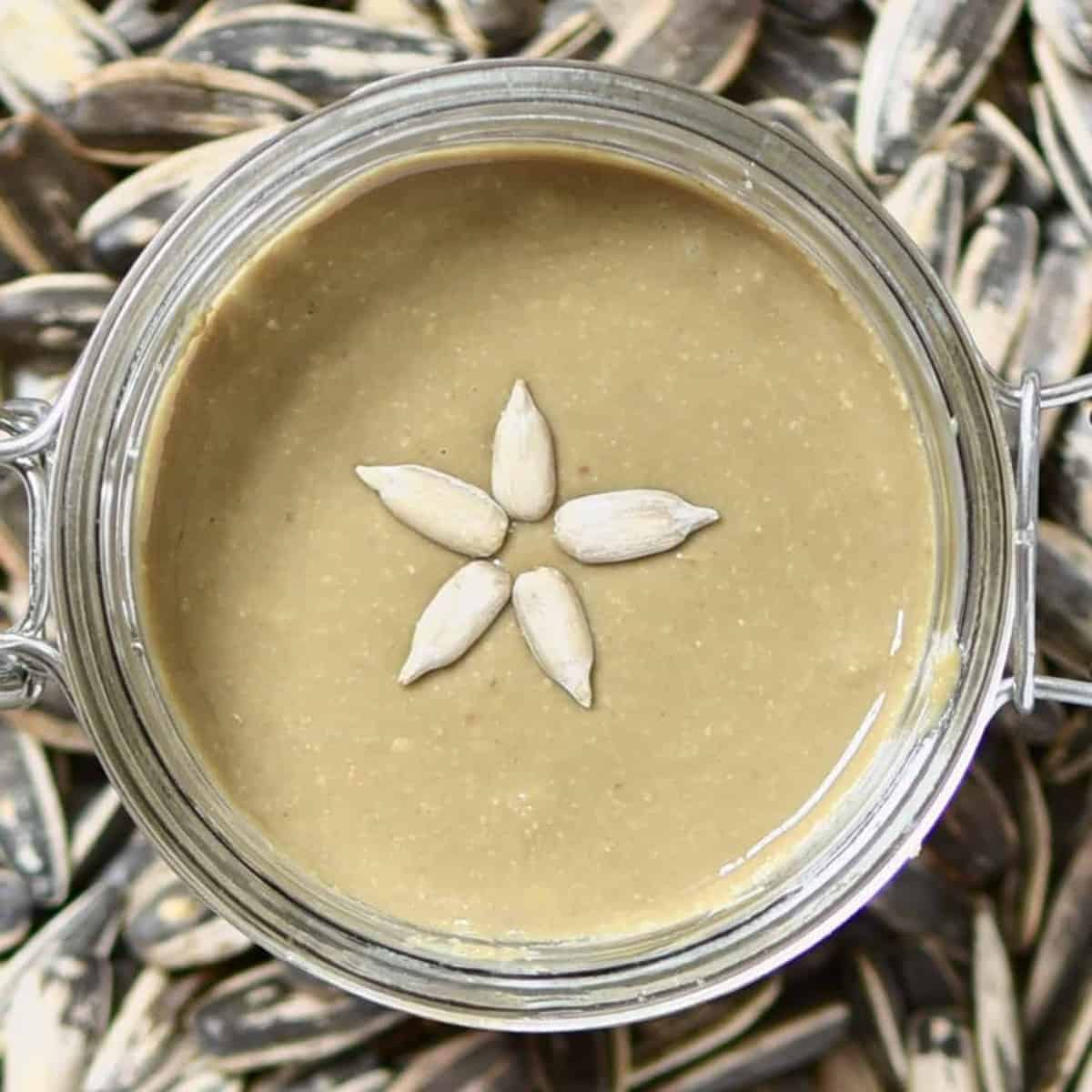
Nut-Free & Delicious: Make Super Creamy Sunflower Seed Butter
In a world increasingly mindful of food allergies and dietary restrictions, finding delicious, safe alternatives to common staples is more important than ever. For many, peanut and tree nut allergies have meant saying goodbye to beloved spreads and treats. But what if we told you there’s a richly flavorful, incredibly versatile, and delightfully creamy spread that can step in with confidence? Enter homemade sunflower seed butter – a game-changer that offers a nutty aroma and indulgent texture without any actual nuts. Once you discover the ease and superior taste of crafting your own super creamy homemade sunflower seed butter, you’ll likely never reach for a store-bought jar again.
Why Choose Homemade Sunflower Seed Butter? The Unbeatable Advantages
Opting to make your own sunflower seed butter isn't just about avoiding allergens; it's a choice that brings a multitude of benefits to your kitchen and your wallet.
- Significant Cost Savings: One of the most compelling reasons to make homemade sunflower seed butter is the economic advantage. While store-bought organic sunflower seed butter can command a hefty price per pound, organic sunflower seeds themselves are substantially more affordable. By transforming raw seeds into a gourmet spread at home, you’re saving a significant amount of money, often cutting costs by more than half. This makes a nutritious, allergy-friendly option accessible to more budgets.
- Total Ingredient Control: When you make your own, you are the master of your ingredients. This freedom allows you to:
- Choose between organic or conventional sunflower seeds.
- Add natural sweeteners like maple syrup, honey, or a touch of coconut sugar – or omit them entirely for a sugar-free spread.
- Select healthy oils, such as a neutral-flavored sunflower oil or avocado oil, to achieve your desired consistency, or make it oil-free.
- Adjust salt levels to perfection, balancing the inherent earthy flavor of the seeds.
- Decide whether to use raw seeds, lightly roasted seeds, or even soaked and dehydrated seeds, catering to specific dietary philosophies.
This level of customization ensures your sunflower seed butter aligns perfectly with your taste and health preferences.
- Unparalleled Taste and Texture: Simply put, homemade sunflower seed butter tastes better. The freshness is immediately noticeable, and you can achieve a truly superior texture that’s often difficult to find in commercial varieties. With the right techniques, your homemade version will boast an incredibly creamy, smooth, and indulgent consistency that store-bought options rarely match. The rich, earthy flavor of freshly roasted and blended seeds is simply incomparable.
- The Perfect Nut-Free Alternative: For individuals and families managing nut allergies, sunflower seed butter is a culinary hero. Its flavor profile is often described as similar to peanut butter, making it an excellent, safe substitute in sandwiches, snacks, and a wide array of recipes. It allows everyone to enjoy the comforting richness of a creamy spread without worry.
The Simple Secret to Super Creamy Homemade Sunflower Seed Butter
Making homemade sunflower seed butter might seem daunting, but it's surprisingly straightforward. The process is similar to making other seed or nut butters: roast the seeds and then blend them until creamy. However, sunflower seeds have less natural fat than many nuts, which means a few key tips can elevate your spread from good to *super creamy*.
The foundation of any great seed butter starts with your equipment. While a standard blender might work for some, we strongly recommend investing in a
high-quality, powerful food processor. Its wider base and stronger motor are designed to handle the continuous processing required to break down seeds and coax out their natural oils, leading to that coveted silky-smooth texture without overheating.
The first crucial step for depth of flavor and aiding in creaminess is
roasting your sunflower seeds. Roasting doesn't just intensify their naturally nutty aroma; it also helps to dry them out slightly and begin releasing their natural oils, making them easier to process into a smooth butter. The level of roast significantly impacts both flavor and color. A light roast will yield a lighter-colored butter with a milder, delicate taste, reminiscent of freshly roasted coffee beans. A darker roast will produce a richer, deeper-colored butter with a more robust, earthy flavor. Experimenting with roasting times is key to finding your personal preference.
During the blending process,
patience and pauses are paramount. Unlike nuts that can quickly transform into butter, sunflower seeds require more persistence. You'll observe various stages: from a coarse meal, to a sticky ball, then a thick paste, and finally, a luxuriously smooth, pourable butter. It's essential to frequently scrape down the sides of your food processor bowl to ensure all seeds are evenly processed and to prevent the motor from overheating. Taking short breaks also helps your appliance and prevents the butter from getting too warm, which can affect its final texture and shelf life.
For that extra touch of luxurious creaminess, especially if your seeds are particularly dry or your food processor isn't industrial strength, a
small amount of neutral oil can be a game-changer. Oils like sunflower oil, avocado oil, or even a touch of melted coconut oil can help achieve an unbelievably smooth consistency, lubricating the process and helping the seeds emulsify more effectively. Start with just a teaspoon and add more gradually if needed.
Finally, don't underestimate the power of
flavor enhancers. Sunflower seeds, while delicious, lack the prominent natural sweetness found in peanuts or many tree nuts. A pinch of salt brightens all the flavors, while a touch of sweetener – be it granulated sugar, maple syrup, or honey – rounds out the taste profile, creating a balanced and utterly addictive spread. These aren't just for sweetness; they enhance the overall depth and complexity of the butter. To learn more about perfecting your technique and maximizing savings, check out our related article:
Unlock Amazing Creamy Homemade Sunbutter: Pro Tips & Savings.
Mastering the Process: Step-by-Step for Perfect Sunflower Seed Butter
Ready to transform humble sunflower seeds into a gourmet spread? Here’s how to do it:
Ingredients:
- 2-3 cups raw, shelled sunflower seeds
- 1-2 tablespoons neutral oil (e.g., sunflower, avocado, or melted coconut oil - optional, for extra creaminess)
- 1-2 teaspoons sweetener (e.g., granulated sugar, maple syrup, honey - optional)
- 1/2 teaspoon salt (or to taste - optional)
Equipment:
- High-quality food processor
- Baking sheet
- Spatula
- Airtight jar for storage
Instructions:
- Preheat Oven & Prepare Seeds: Preheat your oven to 300-325°F (150-160°C). Spread the raw sunflower seeds evenly in a single layer on a baking sheet.
- Roast for Flavor: Roast the seeds for 10-20 minutes, stirring halfway through. Keep a close eye on them, as they can burn quickly. You're looking for a fragrant aroma and a lightly golden color. For a richer, deeper flavor, you can roast them a bit longer, but be cautious not to burn them.
- Cool Slightly: Remove the seeds from the oven and let them cool on the baking sheet for about 5-10 minutes. They should still be slightly warm when transferred to the food processor, as this helps release their oils.
- Process in Food Processor: Transfer the warm sunflower seeds to your food processor. Begin processing.
- Initial Stage (1-3 minutes): The seeds will break down into a coarse, crumbly meal.
- Mid-Stage (3-8 minutes): The mixture will start to clump together, forming a sticky ball or paste. Scrape down the sides of the bowl frequently to ensure even processing. This is a good time to add your optional oil, sweetener, and salt if using.
- Later Stage (8-15 minutes): Continue processing. The sticky ball will begin to break down, and the mixture will become thicker and more uniform. You'll notice the texture becoming progressively smoother.
- Final Stage (15-25+ minutes): Keep blending! The mixture will transform into a smooth, creamy, and finally, a slightly runny butter. This stage requires patience. If your food processor starts to heat up, turn it off and let it rest for a few minutes before continuing. The longer you process, the smoother and creamier your homemade sunflower seed butter will become. Don't be afraid to let it run for a while, scraping down the sides as needed. If it seems too thick or isn't breaking down, add your optional oil, one teaspoon at a time, until you reach your desired consistency.
- Taste and Adjust: Once you've achieved your desired creaminess, taste the sunflower seed butter and adjust salt or sweetener if necessary. Process for another 30 seconds to incorporate.
- Store: Transfer your super creamy homemade sunflower seed butter to a clean, airtight jar. Store it in the refrigerator, where it will keep well for up to 3-4 weeks. The natural oils may separate over time; simply stir it before use. For more detailed tips on preparation and savings, explore Make Creamy Homemade Sunbutter: Save Money & Control Ingredients.
Beyond the Jar: Creative Uses for Your Homemade Sunflower Seed Butter
Your freshly made sunflower seed butter is incredibly versatile and can be used in countless ways, both sweet and savory.
- Classic Spreads: Enjoy it simply on toast, bagels, rice cakes, or apple slices for a satisfying snack.
- Baking & Desserts: It's an excellent nut-free substitute in recipes that call for peanut or almond butter. Think chewy cookies, brownies, energy bites, granola bars, or even a base for raw dessert crusts. Its rich flavor adds a unique depth.
- Smoothies & Breakfast Bowls: Swirl a spoonful into your morning smoothie for added protein and healthy fats, or drizzle it over oatmeal, yogurt parfaits, or acai bowls.
- Savory Applications: Don't limit it to sweet treats! Sunflower seed butter can be a fantastic base for savory sauces and dressings. Think a creamy, nut-free "satay" sauce for stir-fries or dipping, or a thickener for stews and curries.
- Nut-Free Candy: Create homemade nut-free chocolate cups or truffles using sunflower seed butter as the creamy filling.
While sunflower seed butter makes a fantastic substitute, remember that its texture isn't always as fluid as some nut butters. You might need to make slight adjustments to recipes explicitly designed for nut butters, perhaps adding a touch more liquid if a runnier consistency is desired.
Conclusion
Making your own super creamy homemade sunflower seed butter is a rewarding culinary adventure. It's a journey that culminates in a spread that is not only exquisitely delicious and incredibly creamy but also empowers you with total control over ingredients, significant cost savings, and the peace of mind that comes with a safe, allergy-friendly alternative. So, gather your sunflower seeds, fire up your food processor, and prepare to be amazed by the rich, earthy flavors and luxurious texture of your very own homemade sunbutter. Once you’ve tasted this homemade delight, your pantry will forever thank you.